


- Investigate how psychosocial changes, life role transitions, and the unique stressors of late life can impact the mental health of older adults.
- Evaluate how changes in the function of the aging brain and body impact the mental health of older adults.
- Investigate how an aging metabolism’s ability to process pharmacological treatments creates unique safety concerns with geriatric patients.
- Distinguish between types of dementia and connect this information to prognosis.
- Differentiate between the Mini-Mental State Examination and SLUMS as cognitive assessment tools.
- Determine the potential causes of delusions and hallucinations in dementia patients to help reduce the risks of dangerous complications.
- Assess for pain in dementia patients by understanding behavioural cues such as restlessness and agitation.
- Investigate the complexity of suicidal behaviour in older adults and use this information to improve your ability to identify the warning signs.
- Evaluate how medical issues can contribute to late-life anxiety and investigate evidence-based psychological treatments that can help patients reduce symptomology.
- Appraise how psychological trauma can manifest as somatic complaints and determine how this impacts trauma assessment in elderly patients.
- Employ adaptive exercise solutions for physically challenged patients as a late-life depression intervention.
- Investigate why substance abuse in elderly patients is often overlooked and use simple assessment instruments to help identify it.
FREE LIVE EVENT! | 2-Day Certification Conference: Alzheimer's, Dementias and Geriatric Mental Health Conditions

To lose precious memories... to no longer recognise loved ones...
This is the quiet devastation of dementia — one of the most heartbreaking human experiences.
Despite good intentions, most providers have not been trained to navigate the clinical and safety complexities of Alzheimer's and dementia.
These gaps can lead to missed warning signs, ineffective interventions, and increased risks for vulnerable patients.
But there is a way to support clients and families with skill, clarity, and compassion.
And in just two days, this -FREE TRAINING- with nationally recognised neuropsychology expert and Dementia specialist Dr. Micheal Shafer will equip you with everything you need to know to support your clients and their families, from screening and diagnosis to late-stage treatment.
You will gain specific strategies and interventions tailored to older adults that you can use immediately, including:
- Proven interventions for challenging dementia behaviours
- Guidance for recognising and responding to suicidal warning signs
- Communication techniques that reduce frustration and build connection
- Tips for working effectively with families and caregivers
- And so much more
Plus, if you upgrade, you'll be eligible to become an Evergreen Certified Dementia Care Specialist (ECDCS) through Evergreen Certifications*.
Sign up today at no cost and leave prepared, confident, and equipped to handle the toughest complexities of late-life mental health care!
*Professional standards apply. Visit ECDCS - Evergreen Certified Dementia Care Specialist (UK) for details. Credit required for certification is available for an additional cost — please register for more information.
2-Day Certification Conference:
Alzheimer's, Dementias, and Geriatric Mental Health Conditions
Alzheimer's, Dementias, and Geriatric Mental Health Conditions
Presented by Micheal Shafer, PhD
Live Online 30-31 July 2026 — 2:00 PM to 10:00 PM BST
Usually £287.49
Can't attend live? Register anyway for 3-day free access to the training!
*After you register, upgrade to receive up to 12.5 CPD hours.
*After you register, upgrade to receive up to 12.5 CPD hours.
When cognitive decline, complex medical conditions, and mental health concerns intersect, providers need more than textbook knowledge.
You need practical strategies for real world situations.
That's why Micheal Shafer, PhD, a nationally recognised geriatric mental health expert, will lead this interactive training built to help you navigate the toughest cases with confidence.
Designed for professionals across disciplines, including social workers, psychologists, counsellors, nurses, OTs, PTs, SLPs, and long-term care specialists, this training gives you the practical, up-to-date tools required to deliver the highest standard of care for older patients facing Alzheimer's, dementia, depression, anxiety, trauma, substance use, and suicidal ideation.
You will learn how to assess cognitive changes, communicate in ways that reduce frustration, and collaborate with families and caregivers all while maintaining the highest standard of care.
And you can register today completely free of charge!
You'll get:
- 2 days of live expert-led training
- Interactive Q&A
- Opportunities to network with colleagues
- The complete set of course materials
- Upgrade to receive up to 12.5 CPD hours and be eligible for ECDCS certification
This unique opportunity for free Dementia Care Specialist Training may not come again...
And at no cost, you've got nothing to lose... And SO much to gain!
See what your colleagues say about this training

"Excellent seminar. Dr. Shafer conducted the seminar in a way that i felt like i was in the room with him. Nicely Done!"
— Linda J. — Psychologist
— Linda J. — Psychologist
"Excellent presentation, enthusiasm was shared with audience."
— Thomas C. — OT
— Thomas C. — OT
"Loved the presentation! All the information was extremely beneficial."
— Kaylee C. — RN
— Kaylee C. — RN
"Very excellent course. I plan to recommend this to all of my colleagues."
— Alyssa W. — Social Worker
— Alyssa W. — Social Worker
"Wonderful course! The information was provided in a way that kept your attention. The speaker was engaging and always responded quickly or on break to all questions."
— Michele K. — RNr
— Michele K. — RNr
"Super awesome training. One of the best online ones I have had, actually. I appreciated how interactive it was."
— Megan A. — Social Worker
— Megan A. — Social Worker
2-Day Certification Conference:
Alzheimer's, Dementias, and Geriatric Mental Health Conditions
Alzheimer's, Dementias, and Geriatric Mental Health Conditions
Presented by Micheal Shafer, PhD
Live Online 30-31 July 2026 — 2:00 PM to 10:00 PM BST
Usually £287.49
Can't attend live? Register anyway for 3-day free access to the training!
*After you register, upgrade to receive up to 12.5 CPD hours.
*After you register, upgrade to receive up to 12.5 CPD hours.
Meet Your Trainer!
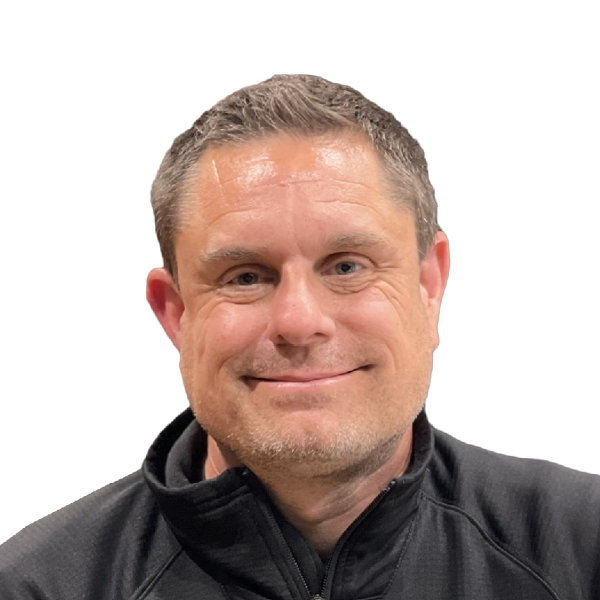
Micheal Shafer Ph.D.
Micheal Shafer Ph.D., is a clinical psychologist who specialises in the diagnosis and treatment of people with dementia. Dr. Shafer holds multiple teaching positions in the Michigan State University School of Medicine in the departments Physical Medicine and Rehabilitation and Radiology.
Dr. Shafer lectures nationally on a variety of clinical and research issues, and has conducted numerous trainings for physicians about medication utilisation and mechanisms of actions, particularly for those used to treat Alzheimer's Disease. His primary research/clinical interests include the assessment of neuropsychological disorders (e.g., stroke, traumatic brain injury (TBI), Alzheimer's) and the study of localised brain functioning. Prior to earning his Ph.D., Dr. Shafer provided hospital-based counselling services and conducted research at the University of Maryland Medical School.
Dr. Shafer earned his M.A. degree in applied psychology from the University of Baltimore and his Ph.D. in clinical psychology with an emphasis on neuropsychology from the University of North Texas.
Click here for information about Micheal ShaferSee what your colleagues are saying about Dr. Shafer!
"Speaker was amazing, great delivery, engaging and enjoyed the practical real life examples. His delivery was conversational like vs lecture, kept it interesting! Dr. Shafer is passionate about his field and it shows."
— Sandra L. — PT
— Sandra L. — PT
"Truly enjoyed this class and presenter! So much interesting and valuable information; agree - would like more! Would take another class with this presenter."
— Karen J. — PT
— Karen J. — PT
"This has been one of the better trainings that I have taken with PESI. Dr. Shafer is extremely knowledgeable and enthusiastic. His presentation style for this material was spot on."
— Megan M. — Social Worker
— Megan M. — Social Worker
"Great speaker. He is very knowledgeable and presents well. Great job incorporating multi-disciplinary education."
— Emily M. — PT
— Emily M. — PT
"Dr. Shafer was a great presenter. I learned so much and felt very comfortable asking him questions!"
— Kate G. — SLPr
— Kate G. — SLPr
"Dr. Shafer was highly knowledgeable about the material & presented it in an easy-to-understand way. I love the book tour and have added many of them to my read list. I knew I would learn things from taking this course, and my learning surpassed what I thought I would take away from it!"
— Wendy D. — PT
— Wendy D. — PT
2-Day Certification Conference:
Alzheimer's, Dementias, and Geriatric Mental Health Conditions
Alzheimer's, Dementias, and Geriatric Mental Health Conditions
Presented by Micheal Shafer, PhD
Live Online 30-31 July 2026 — 2:00 PM to 10:00 PM BST
Usually £287.49
Can't attend live? Register anyway for 3-day free access to the training!
*After you register, upgrade to receive up to 12.5 CPD hours.
*After you register, upgrade to receive up to 12.5 CPD hours.
What You'll Learn During This Free Training
DAY 1
Dementia Differentiation, Diagnosis, and Prognosis- Types of dementia and how to differentiate between them
- Pseudo-dementia explanations
- Mild Neuro-Cognitive Disorder
- Diagnosis, prognosis, and stages
- The latest preventative treatments
- Mini-Mental State Examination
- SLUMS
- Administration and scoring
- Objective and subjective interpretation
- Individualising care — strengths and limitations
- Pain and pain assessment
- Tactics for verbal and physical combativeness
- Agitation— triggers, pain, and care planning
- Delusions and hallucinations — potential causes and complications
- Wandering — redirection techniques to reduce risks
- Tips for working with sundowners
- Sexual expressiveness and interventions for dignity
- Activities of Daily Living — structure and engagement strategies
- Reduce frustration and increase understanding with dementia patients
- When traditional communication is replaced by behaviours
- Person-centered: Gathering beliefs and values
- Effective tips for communicating with dementia patients
- Find the meaning behind the gesture
- How to avoid arguments
- What questions to ask, and how to ask them
- Meaningful activities that connect
- Family dynamics
- Validation, empathy, and active listening
- Caregiver burnout and where to go for help
- End-of-life issues
- Ethical issues and abuse
DAY 2
How Aging Impacts Mental Health- The aging brain, body and unique stressors of late life
- Social systems, stigma and life role transitions
- How medical illness impacts mental health
- Essential considerations for safety and effectiveness
- The senior metabolism and unique safety concerns
- Common side effects of drugs on seniors
- Interactive effects to be aware of
- The role of social support
- Working with grief and loss
- Cognitive approaches to focus on today's problems
- Adaptive exercise solutions for the physically challenged
- Recognise the warning signs and properly intervene
- The complexity of suicidal behaviour in older adults
- Assessment and screening tools
- Treatment approaches and crisis guidance
- Unique vulnerabilities and diagnostic difficulties
- Assessment instruments
- Motivational Interviewing and relapse prevention strategies
- Risk factors, stressors, and symptoms
- Loss of social support and fear of being alone
- Medical issues and hypochondria
- Evidence-based psychological treatments
- What the latest research tells us — and what it doesn't
- Special considerations when assessing seniors for trauma
- Trauma and somatic complaints
- How vitamin and mineral deficiencies impact behaviour
- How the volatility of blood sugar can impact behaviour
- Strategies for non-compliant eating
We will have 2 15-minute breaks and a 70-minute lunch each day
Click here for course objectives and outline.
2-Day Certification Conference:
Alzheimer's, Dementias, and Geriatric Mental Health Conditions
Alzheimer's, Dementias, and Geriatric Mental Health Conditions
Presented by Micheal Shafer, PhD
Live Online 30-31 July 2026 — 2:00 PM to 10:00 PM BST
Usually £287.49
Can't attend live? Register anyway for 3-day free access to the training!
*After you register, upgrade to receive up to 12.5 CPD hours.
*After you register, upgrade to receive up to 12.5 CPD hours.

Certification Made Simple
If you purchase the CPD upgrade and follow the three short steps below, you can become an Evergreen Certified Dementia Care Specialist (ECDCS):
- Step 1: Watch the online training.
- Step 2: Complete the CPD test and instantly print your certificate of completion.
- Step 3: Submit the Certification Questionnaire included in this training, and your application is complete.*
That's it! No hidden fees. No catch. Just certification made EASY.
*Professional standards apply.
Learn more at ECDCS - Evergreen Certified Dementia Care Specialist (UK)
*Professional standards apply.
Learn more at ECDCS - Evergreen Certified Dementia Care Specialist (UK)
Frequently Asked Questions
No catch. Over the last few years, thanks to the generosity of our expert speakers and the support of therapists like you, we've had the amazing opportunity to provide professional training to more therapists than ever.
If you purchase the CPD upgrade, your certification is automatically included. Attend the workshop, complete the CPD test, and submit your application to Evergreen Certifications. No extra steps or hidden fees.
Yes! Just register above and then upgrade to the CPD package on the next page. You'll get unlimited access to the training and will be able to earn CPD.
YES! You'll be able to engage with the presenter and chat with colleagues throughout each presentation.
30-31 July from 2:00 PM to 10:00 PM BST
There will be a 70-minute lunch and two 15-minute breaks each day, one in the morning and one in the afternoon. Lunch and break times will be announced by the speaker and at their discretion. A more detailed schedule is available upon request.
There will be a 70-minute lunch and two 15-minute breaks each day, one in the morning and one in the afternoon. Lunch and break times will be announced by the speaker and at their discretion. A more detailed schedule is available upon request.
If you're ready to confidently meet the complex mental and behavioural health needs of older adults, this training is for you! In just two intensive days, you'll gain practical strategies to assess cognitive changes, manage challenging dementia behaviours, recognise suicidal warning signs, and treat late-life depression, anxiety, trauma, and substance use. Plus, you'll learn adaptive approaches for working with families so you can provide safe, effective, and compassionate care for one of the most vulnerable—and fastest-growing—populations in healthcare.
This conference is designed for:
This conference is designed for:
- Social Workers
- Psychologists
- Nurses
- Speech-Language Pathologists
- Counsellors
- Nursing Home Administrators
- Assisted Living Facility Administrators
- Long Term/Acute Care Professionals
- Case Managers
- Occupational Therapists
- Physical Therapists
Yes, anyone who registers will get 3 days access to watch the archived recording once it is made available.
EVENT COUNTDOWN
0
Days
:
0
Hours
:
0
Minutes
:
0
Seconds
2-Day Certification Conference:
Alzheimer's, Dementias, and Geriatric Mental Health Conditions
Alzheimer's, Dementias, and Geriatric Mental Health Conditions
Presented by Micheal Shafer, PhD
Live Online 30-31 July 2026 — 2:00 PM to 10:00 PM BST
Usually £287.49
Can't attend live? Register anyway for 3-day free access to the training!
*After you register, upgrade to receive up to 12.5 CPD hours.
*After you register, upgrade to receive up to 12.5 CPD hours.
100% Satisfaction Guarantee
Register for this intensive training course without risk. If you're not completely satisfied, Contact Us.We’re that confident you'll find this learning experience to be all that's promised and more than you expected.