


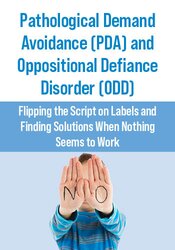
Pathological Demand Avoidance (PDA) and Oppositional Defiance Disorder (ODD): Flipping the Script on Labels and Finding Solutions When Nothing Seems to Work
- Average Rating:
- Not yet rated
- Speaker:
- Amy Marschall, PsyD
- Duration:
- 6 Hours 03 Minutes
- Copyright:
-
24 Oct, 2025
- Product Code:
- POS150348
- Media Type:
- Digital Seminar
- Access:
- Never expires.

Description
You’ve tried it all –
- Behavior charts
- Token economies
- Time-outs and time-ins
- Positive reinforcement
- Sensory supports
- Ignoring the behavior
- Even restructuring the entire environment –
And yet, the same struggles persist – aggression, shutdowns, mood swings, and more.
It can leave even the most dedicated therapists wondering – What am I missing?
For decades, diagnoses like Oppositional Defiant Disorder (ODD) and, more recently, Pathological Demand Avoidance (PDA) were viewed as signs of willful defiance, manipulation, or poor parenting but emerging research tells a different story.
Dr. Amy Marschall, clinical psychologist and neurodiversity expert, offers a paradigm shift, reframing these labels and the resulting behaviors as survival strategies rooted in trauma, neurodivergence, and developmental delay – less about “bad behavior” and more about a neurological mismatch.
- Learn the root causes of ODD, PDA, IED, and more – so you can address the underlying issues, not just the symptoms
- Use trauma-informed, neurodiversity-affirming assessments to decode behavior and uncover unmet needs
- Apply tools that build trust, co-regulation, and emotional resilience in autistic children, kids with ADHD, PTSD, and more
- Replace meltdowns, shutdowns, and aggression with interventions that promote felt safety and emotional regulation
- Empower parents and educators to support regulation and healing in any setting
You’ll also learn to challenge outdated myths and labels, and support clients through insight, not control.
Purchase today and become the therapist who truly sees – and supports – the children who need it most.
CPD
Speaker

Amy Marschall, PsyD Related seminars and products
Sioux Falls Psychological Services
Amy Marschall, PsyD, is a licensed clinical psychologist in South Dakota, working primarily with children and adolescents. She is trained in trauma-informed care as well as cognitive behavioral therapy, and in 2017 became certified in trauma-focused cognitive behavioral therapy. In her clinical practice, Dr. Marschall works with survivors of abuse, families in the foster care system, children with incarcerated parents, clients dealing with high-conflict divorce or separation, and those growing up with other chronic stressors and traumas.
Dr. Marschall was diagnosed in adulthood as AuDHD (Autistic and ADHD), which informs her deeply empathetic and lived understanding of neurodivergence.
She is also the author of three professional resources: A Clinician’s Guide to Supporting Autistic Clients, Telemental Health with Kids Toolbox, and Telemental Health with Kids Toolbox, Volume 2. These publications reflect her commitment to providing accessible, neurodiversity-affirming, and trauma-informed tools for clinicians working with children and adolescents in both in-person and virtual settings.
Speaker Disclosures:
Financial: Amy Marschall is the founder of Resiliency Mental Health and has employment relationships with Prescott College, ADDitude Magazine, RMH Therapy, ADHD Online, Prosper Health, AuDHD Therapists, A Change for Better, and A Change for Better Fund. She receives royalties as a published author. Amy Marschall receives a speaking honorarium, recording, and book royalties from PESI, Inc. She has no relevant financial relationships with ineligible organizations.
Non-financial: Amy Marschall is a blogger with Resiliency Mental Health, Psychology Today, DotDash Meridith, and Everyday Health.
Additional Info
Access for Self-Study (Non-Interactive)Access never expires for this product.
For a more detailed outline that includes times or durations of time, if needed, please contact cepepesi.com
Objectives
- Examine how trauma, neurodivergence, and developmental differences contribute to behaviors labeled as PDA and ODD.
- Differentiate between PDA, ODD, and other diagnoses such as Autism Spectrum Disorder and Intermittent Explosive Disorder using a trauma-informed lens.
- Choose neurodiversity-affirming, strengths-based strategies to support emotional regulation and felt safety in children with challenging behaviors.
- Evaluate the limitations of traditional behavior management models and the benefits of connection-focused, collaborative interventions.
- Utilize practical tools to build trust, support co-regulation, and foster resilience in children experiencing meltdowns, shutdowns, or aggression.
- Modify compliance-driven responses to approaches rooted in insight, empathy, and relationship-building by coaching parents and educators.
Outline
The Neurodiversity Paradigm: A Brief Overview
A way forward through affirming, trauma-informed care
- Neurodivergence, neurodiversity, and the shift toward neurodiversity affirming practice
- The medical model in mental health care: Help or harm?
- PDA and ODD as controversial constructs: Diagnoses or mislabels?
- Diagnostic critiques: Cultural bias, pathologizing autonomy, and misinterpreting trauma
Assessment & Diagnoses
A Trauma-Informed, Neurodiversity-Affirming Approach
- Medical vs. educational diagnosis
- Why labels like ODD and PDA remain debated in clinical practice
- When ODD reflects trauma, unmet needs, or neurodivergence
- PDA and the DSM™: Clinical relevance without formal recognition
- Differentiate PDA and ODD from
- Autism Spectrum Disorder
- Conduct Disorder
- Intermittent Explosive Disorder
- Disruptive Mood Dysregulation Disorder
- Determine the root cause of behavior:
- Tantrums vs. meltdowns
- Elopement, shutdowns, and aggression
- Self-harm behavior
- Environmental and relational context
“Behavior Problems” Through a Compassionate Lens
What lies beneath: the discomfort of changing established practices
- Trauma’s impact on brain development and behavior
- The neurology of neurodiversity
- Core principles for clinicians and caregivers:
- Behavior as communication
- Curiosity over anger, support over punishment
- Shift from compliance-based to collaborative care
- Reframe “defiance” as autonomy, fear, or sensory distress
- Case conceptualization examples
A Fresh Approach to Change the Narrative
Build insight, communication, and attachment
- Communication & Regulation Tools:
- Educate kids and parents about the brain and neurodivergence
- Expressing feelings: code words, escape plans, visuals, apps
- Emotion regulation: butterfly hugs, stomp & roar, mindfulness
- Movement and sensory strategies: safe spaces, sensory play, body-based tools
- Routines and sleep: overcome barriers, hygiene plans, predictability across settings
- Strengthen Relationships
- Regulation, choice, and responsibility; developmentally matched tools
- Parent-child: child-led play, check-ins, and intentional connection
- Educator-student: practical tools for authentic engagement
- Building inclusive, responsive classroom environments
- Creative & Play-Based Interventions
- Games, non-directive play, and creative outlets for big emotions
- Research limitations and potential risks of misapplied strategies
- Risks and limitations of common interventions
Break Through Behavioral Roadblocks
In-the-moment responses to significant behaviors
- Suicide/self-harm statements
- Elopement
- Verbal and physical aggression
- Controlling behaviors
- When systems push back:
- Navigate families and educators demanding strict discipline plans
- Reframe resistance from adults who struggle to change
Target Audience
- Counsellors
- Social Workers
- Psychologists
- Marriage and Family Therapists
- Speech-Language Pathologists
- Teachers
- School Administrators
- Occupational Therapists
- Occupational Therapy Assistants
- Nurses
- Other Helping Professionals Who Work with Children
Reviews
Satisfaction Guarantee
Your satisfaction is our goal and our guarantee. Concerns should be addressed to info@pesi.co.uk or call 01235847393.
Please wait ...