


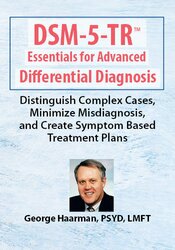
DSM-5-TR™ Essentials for Advanced Differential Diagnosis: Distinguish Complex Cases, Minimize Misdiagnosis, and Create Symptom Based Treatment Plans
- Average Rating:
- Not yet rated
- Speaker:
- George Haarman, PsyD, LMFT
- Duration:
- 6 Hours 16 Minutes
- Copyright:
-
06 Oct, 2025
- Product Code:
- POS150337
- Media Type:
- Digital Seminar
- Access:
- Never expires.

Description
Getting the diagnosis right is where treatment begins.
But let’s face it – mental health symptoms don’t always fit neatly into boxes.
With so much overlap between disorders, even experienced clinicians can struggle to pinpoint the correct diagnosis. And when things get missed or misidentified, treatment suffers – clients don’t get the help they need, outcomes decline, and trust can take a hit.
That’s why we’ve put together this training with George Haarman, PsyD, LMFT, a nationally respected expert in diagnosis and treatment planning. This isn’t just a review – it’s a hands-on, case-based training designed to help you fine-tune your clinical judgment and stay sharp with the DSM-5-TR™.
You’ll learn how to:
- Work with new and updated diagnoses like Prolonged Grief Disorder and Suicidal Behavior Disorder
- Spot the differences between similar symptom presentations
- Avoid the common diagnostic traps that derail treatment
- Use the latest coding and specifier changes with confidence
- Integrate cultural and linguistic updates into your documentation
- Build symptom-based treatment plans that are practical and evidence-based
This advanced training will give you the tools to make more accurate, culturally responsive diagnoses – and deliver the care your clients deserve.
Don’t miss it – register today!
*It may be helpful for participants to have a copy of DSM-5-TR™ available for reference.
CPD
Speaker
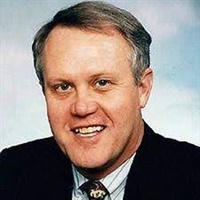
George Haarman, PsyD, LMFT Related seminars and products
GEORGE B. HAARMAN, PSY.D., LMFT, is a Licensed Clinical Psychologist and a Licensed Marriage and Family Therapist with more than 40 years of experience. A member of the American Psychological Association and Kentucky Psychological Association, Dr. Haarman is currently in private practice in Louisville, Kentucky, and serves as a consultant to several school systems and non-profit agencies regarding assessment. For 24 years, Dr. Haarman worked in the Department of Human Services in Louisville, serving in a variety of clinical capacities, and as the Deputy Director for the last 12 years of his tenure. His prior experience with DHS included working with youth detention centers, juvenile group homes, child protective services, and juvenile probation. Dr. Haarman received his doctorate in clinical psychology from Spalding University and has been an instructor at Jefferson Community College, Bellarmine University, and Spalding University. As a result of his years of experience in mental health, he has presented seminars regionally and nationally on psychopathology, depression, and emotional disorders in children and adolescents. He is also the author of School Refusal: Children Who Can’t or Won’t Go to School, Clinical Supervision: Legal, Ethical, and Risk Management Issues, and Mastering the DSM-5.
Speaker Disclosures:
Financial: Dr. George Haarman maintains a private practice and is an adjunct professor Spalding University, Jefferson Community College, and Bellarmine University. He receives a speaking honorarium and recording royalties from PESI, Inc. He has no relevant financial relationships with ineligible organizations.
Non-financial: Dr. George Haarman is a member of the American Psychological Association and the Kentucky Psychological Association.
Additional Info
Access for Self-Study (Non-Interactive)Access never expires for this product.
For a more detailed outline that includes times or durations of time, if needed, please contact cepesi@pesi.com.
Objectives
- Identify major changes between the DSM-5 and the DSM-5-TR
- Summarize the new diagnostic classifications that have been added to the DSM-5-TR.
- Interpret the diagnostic criteria for Suicidal Behavior Disorder, Non-Suicidal Self-Injury, and Prolonged Grief Disorder that have been added to the DSM-5-TR.
- Restate disorder criteria changes that have taken place as a result of DSM-5-TR.
- Utilize differential diagnosis to identify distinguishing diagnostic indicators between selected disorders.
- Develop treatment plans utilizing symptoms identified in arriving at an appropriate DSM-5-TR diagnosis.
Outline
History and Development of the DSM®
- Features and key steps for utilizing the DSM-5-TR™
- Ethical considerations and techniques for an ethical practice
- Updates to the DSM-5-TR™ since originally published
New Diagnosis in the DSM-5-TR™
- Prolonged Grief Disorder – recognize and treat chronic, unrelenting grief
- Suicidal Behavior Disorder – code and address suicidality as a standalone diagnosis
- Nonsuicidal Self-Injury – clarify risk and treatment for self-harming clients
Criteria Changes in DSM-5-TR™ and What it Means for You
- Autism Spectrum Disorder
- Avoidant-Restrictive Food Intake Disorder (ARFID)
- Atypical Anorexia Nervosa
- Bipolar I and Bipolar II Disorders
- Major Depressive Disorder
- Persistent Depressive Disorder
- Depressive Episodes with Short-Duration Hypomania
- Depressive Disorder Due to Another Medical Condition
- Major Depressive Disorder with Mixed Features Specifier
- Other Specified Depressive Disorder
- Unspecified Mood Disorder
- Gender Dysphoria
- Other Specified Obsessive-Compulsive and Related Disorder
- Posttraumatic Stress Disorder in Children 6 Years and Younger
- Substance Use Disorder Specifiers
- Other (unknown) substance intoxication and withdrawal specifiers
- Adjustment disorders specifiers
Utilizing DSM-5-TR™ Symptoms in Treatment Planning
- Evidence-based practices and accurate diagnoses
- Developing treatment goals and objectives based on symptoms
Differential Diagnosis
- Developmental symptoms: Social Communication Disorder vs. Autism Spectrum Disorder vs. Selective Mutism vs. Intellectual Disability
- Cognitive symptoms: Intellectual Disability vs. Borderline Intellectual Functioning vs. Global Developmental Delay
- Disruptive behavior symptoms: ADHD vs. Oppositional Defiant vs. Learning Disorder vs. Anxiety Disorders
- Psychotic symptoms: Schizophrenia vs. Schizoaffective vs. Post Traumatic Stress Disorder
- Variable mood symptoms: Bipolar I & II vs. Major Depression vs. Cyclothymia vs. ADHD vs. Personality Disorders
- Depressive mood symptoms: Major Depressive Disorder vs. Persistent Depressive Disorder vs. Adjustment Disorder
- Behavior and mood symptoms: Disruptive Mood Dysregulation Disorder vs. Bipolar vs. Oppositional Defiant vs. Intermittent Explosive Disorder vs. Autism Spectrum Disorder
- Anxiety symptoms: Separation Anxiety vs. Generalized Anxiety vs. Social Anxiety vs. Posttraumatic Stress Disorder
Case Studies and Treatment Plans
- Stephen, age 8, overreactivity, behavioral problems, and social relationships
- James, age 5, cognitive and emotional delays
- Zeke, age 45, depression and suicidal ideation
- Debbie, age 55, sadness, depression, and hopelessness
Target Audience
- Counsellors
- Psychotherapists
- Social Workers
- Psychologists
- Case Managers
- Therapists
- Marriage & Family Therapists
- Other Mental Health Professionals
- Physicians
Reviews
Satisfaction Guarantee
Your satisfaction is our goal and our guarantee. Concerns should be addressed to info@pesi.co.uk or call 01235847393.
Please wait ...